

Restoring luxury handbags—whether vintage classics or modern pieces from Chanel, Louis Vuitton, Gucci, or Hermès—preserves their value, structure, and appearance. Professional restorers prioritize reversible techniques, material compatibility, and minimal intervention to avoid devaluing the bag. This guide covers key steps for common issues: leather cracking, hardware tarnish, lining wear, stitching repairs, and shape restoration—applicable to both new-with-tags and gently used bags.
Initial Assessment
Examine under strong light: identify surface scratches, deep cracks, water marks, hardware oxidation, lining separation, loose stitching, odors, and shape collapse. Photograph all angles. Distinguish cosmetic issues (clean/condition) from structural (professional stitching/hardware). For high-value or limited-edition pieces, consult brand ateliers or certified restorers first—DIY can affect authenticity and resale.
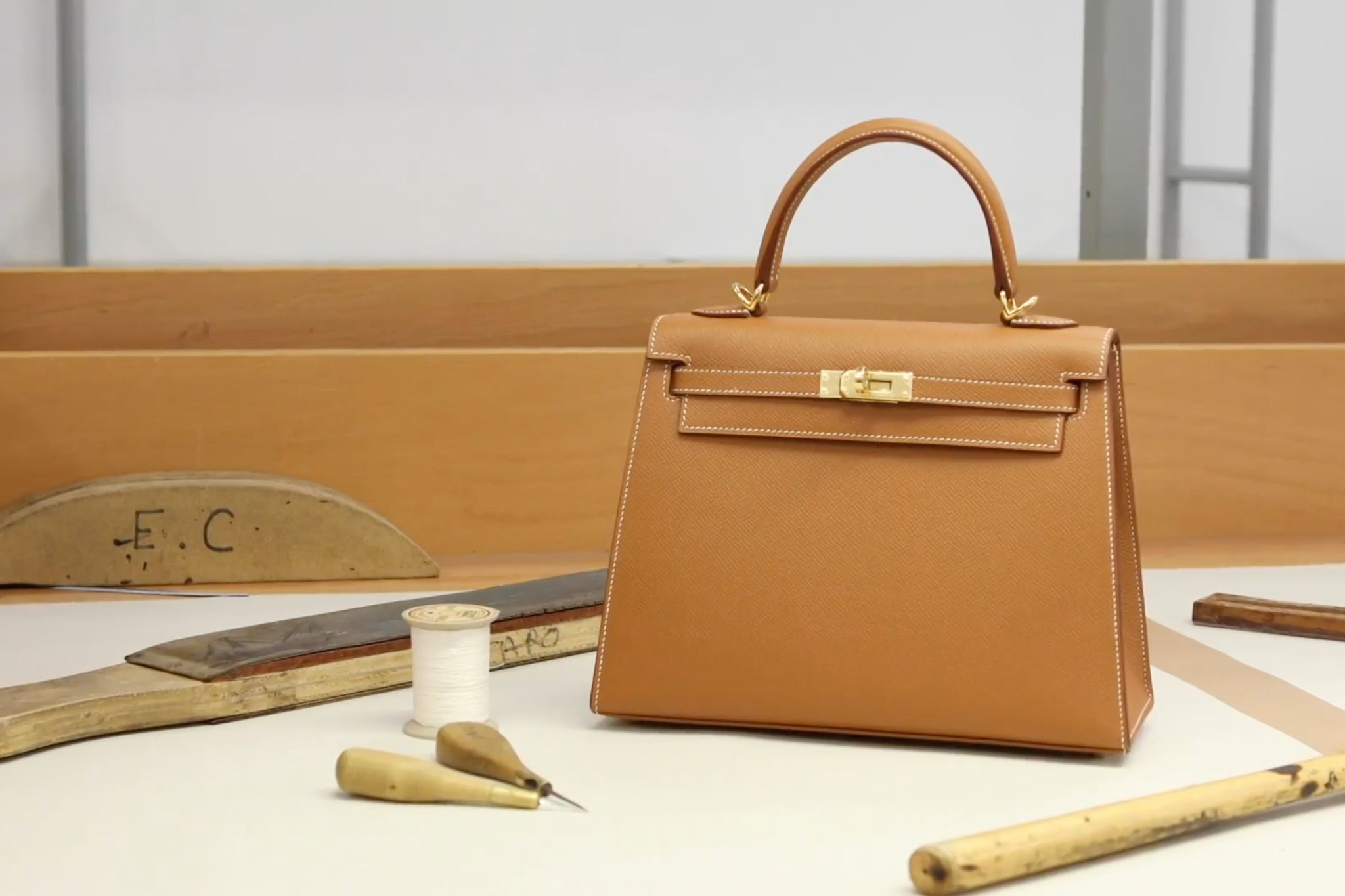
Leather Cleaning & Rehydration
Begin dry: remove dust with soft horsehair brush or microfiber. For stains, use pH-neutral leather cleaner (Saphir Reno'Mat or Collonil Leather Soap) on a lightly damp cloth—work in small circles, blot excess. Air-dry 24+ hours. Rehydrate with conditioner (Saphir Medaille d'Or Renovateur, Bick 4, or Lexol) applied sparingly with cotton pad—let absorb 10-15 min, buff. For cracks, apply thin color-matched filler or edge paint before conditioning. Test on hidden spot; over-application darkens evenly toned leathers.

Hardware Cleaning & Replating
Polish with soft cloth and metal-specific cleaner (Flitz for gold-tone, Brasso for brass). For tarnish, use jeweler's rouge on low-speed Dremel. Replate worn pieces (24k gold or palladium) via professionals to match original finish. Replace missing rivets/chains with OEM-spec parts only—mismatched hardware reduces value. Avoid abrasive household cleaners that etch metal.
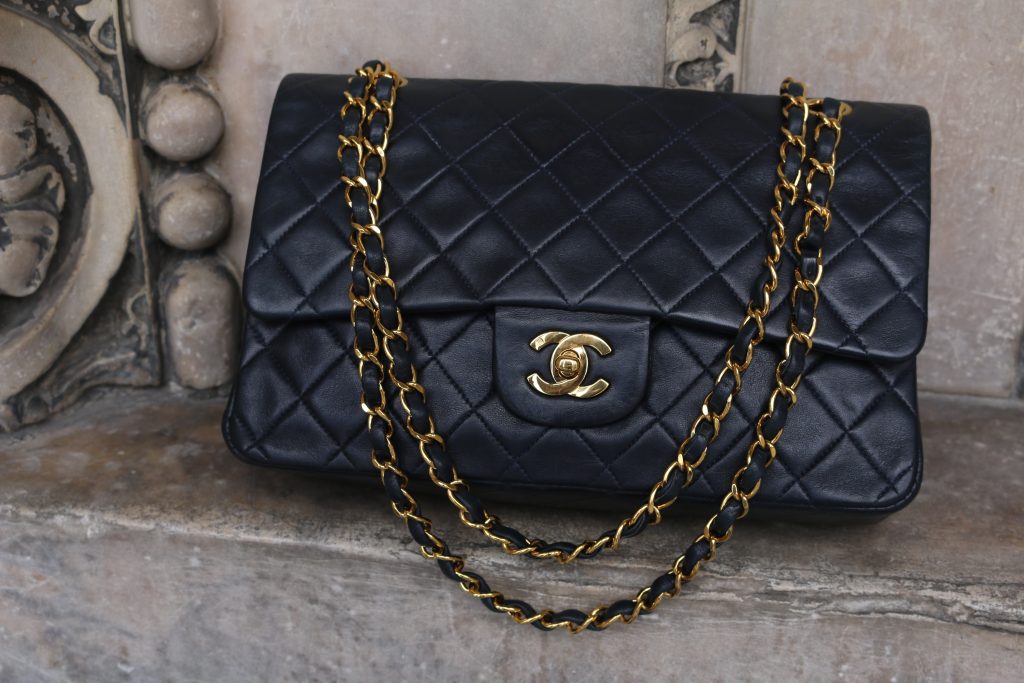
Lining & Interior Restoration
Vacuum loose debris; lift powder/flaking with suede brush or melamine eraser. Stabilize minor damage with archival adhesive dots. For full relining, use matching fabric/leather (microfiber for Gucci canvas, lambskin for Chanel) and hand-stitch with waxed thread. Neutralize odors with activated charcoal or leather-safe sprays. Add organizers only as removable inserts to preserve original structure.
Stitching & Shape Correction
Re-stitch loose seams by hand with waxed linen thread matching original color/weight—use saddle stitch for durability. Reshape slouched bags with controlled steam (garment steamer at distance) and acid-free tissue stuffing for 48 hours. Apply edge dressing (Saphir) and burnish worn corners. Major tears or strap detachment require professional cobbler or brand service—visible scars lower value.
Handbag Restoration Q&A
Q: When is it better to go to a professional restorer instead of DIY?
A: For structural damage (torn leather, broken hardware, detached straps), significant color loss, or bags valued over $1,500–$2,000. Pros use reversible methods and preserve authenticity; poor DIY can cut resale value by 30–60%.
Q: Will conditioning darken my bag's leather?
A: Yes, especially on light or aniline leathers. Apply thinly, test first, and buff well. Patina is desirable on many pieces—over-conditioning can make it look unnaturally new.
Q: How do I safely remove water stains from leather?
A: Blot immediately, air-dry slowly away from heat, then condition heavily. Persistent marks often require professional recoloring—DIY can cause uneven tones or rings.
Q: Is it worth replating hardware on modern bags?
A: Yes for functional wear (tarnish affecting use), but only match original finish. Many buyers prefer natural patina; heavy replating can make the bag appear refinished and less desirable.
Q: Can I fix peeling lining in a contemporary Gucci or Chanel bag myself?
A: Minor flaking yes—clean and stabilize. Full replacement needs a specialist for fabric matching, stitching, and glue type to avoid visible seams or value loss.

0 comments